How to Spot and Deal with Carpet Pad Mold Before It Spreads
Why That Musty Smell Deserves Your Attention
If you have carpeted floors, you have probably caught a whiff of something stale after a spill or a humid week. That smell often comes from the padding underneath. Carpet pad mold is a common issue that many homeowners ignore until it turns into a larger problem. The padding acts like a sponge. Once it gets wet from a leak, flood, or even high humidity, it stays damp longer than the carpet fibers themselves. Mold spores find that dark, moist environment ideal for growth.
I have seen cases where the carpet looked perfectly clean on top, but the pad underneath was covered in black mold. That is the tricky part. By the time you notice discoloration or a strong odor, the mold has already colonized the padding. The real concern is that mold does not just stay in the pad. It can send spores into the air and affect your indoor air quality. People start coughing, sneezing, or getting headaches, and they never connect it to the floor under their feet.
The Science of Subfloor Moisture
To understand carpet pad mold, you need to think about what happens beneath the carpet. Most carpets sit on a pad that rests on a subfloor. That subfloor could be a concrete slab, particle board, or plywood. Each material reacts to moisture differently. Concrete slabs, for example, can wick moisture from the ground if there is no vapor barrier underneath. That moisture travels up through the concrete and into the pad. You might never see a drop of water, but the pad absorbs enough vapor to support mold growth.
Particle board is even more vulnerable. It swells and breaks down when wet, creating crevices where mold can hide. I once worked on a home where the owners had a slow leak from a refrigerator ice maker for months. The carpet on top looked fine, but the particle board subfloor was soft and rotten. The carpet pad mold was so thick that we had to cut the pad out in sections. The subfloor itself had to be replaced. That job required professional removal because the mold had penetrated deep into the structure.
Health Risks and Hidden Dangers
Mold is not just a cosmetic issue. Some molds produce mycotoxins that can cause respiratory problems, skin irritation, and fatigue. Black mold, especially Stachybotrys chartarum, is known for producing potent toxins. People with allergies or asthma are more sensitive, but even healthy individuals can react after prolonged exposure. The problem with carpet pad mold is that it is hidden. You might not realize you are breathing in spores every time you walk across the room.
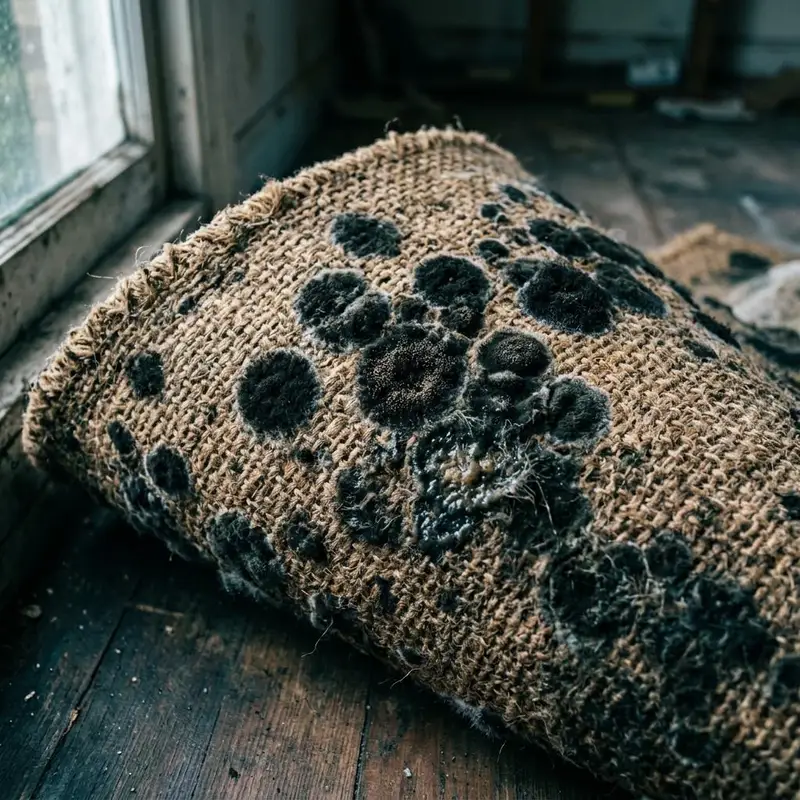
Children and pets are particularly at risk because they spend time on the floor. I have seen families move out of a home temporarily during a mold inspection and remediation process. It is not something to take lightly. If you suspect mold in your carpet pad, a mold inspection is a smart first step. Professionals use a moisture meter to check for dampness in the subfloor and pad. They can also take air samples to measure spore levels. That data helps decide whether cleaning is enough or if removal is necessary.
DIY Assessment Before Calling a Pro
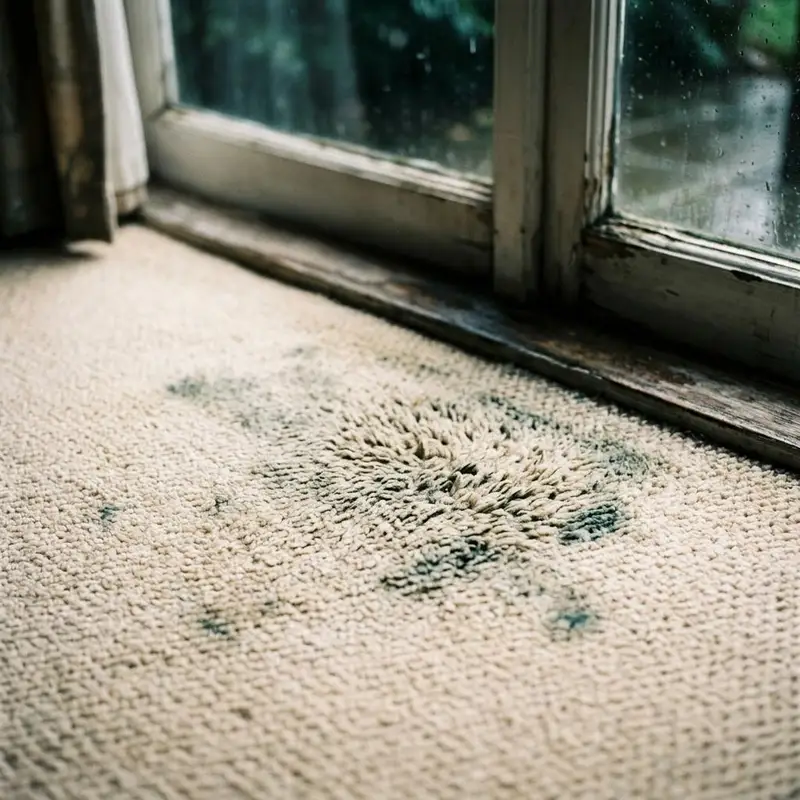
You can do a few things on your own before paying for a full inspection. Lift a corner of the carpet near a baseboard or in a closet. Look at the pad. If you see dark spots, greenish patches, or a slimy film, that is mold. Also, press your hand on the pad. If it feels damp or sticky, you have a moisture problem. A musty smell that does not go away after vacuuming is another red flag.
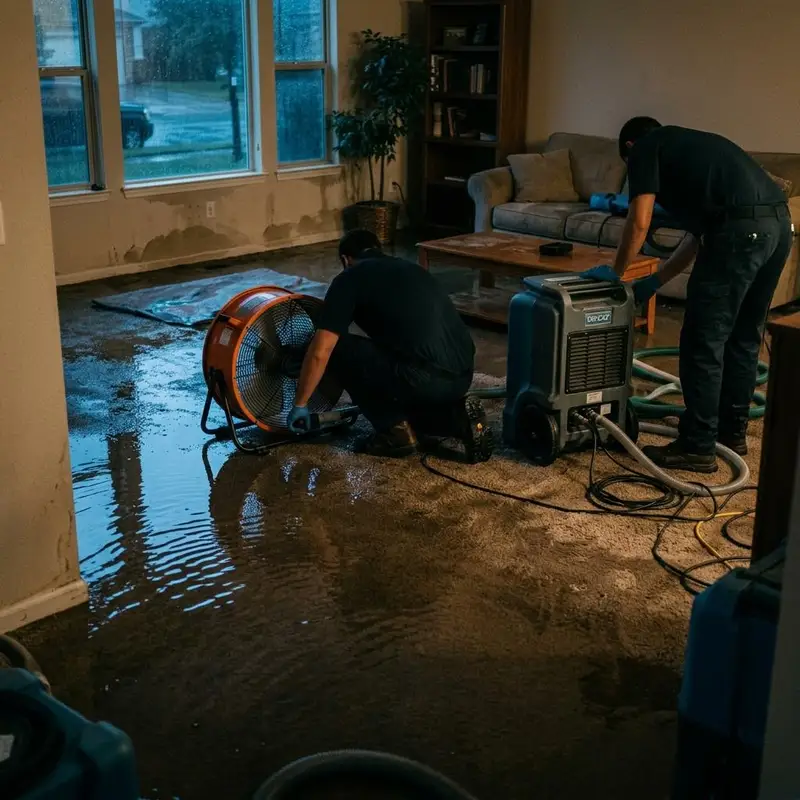
If you find signs of mold, do not try to scrub it with a bleach solution right away. Bleach can kill surface mold, but it does not penetrate the padding. It also adds moisture, which can make the problem worse. The better approach is to dry the area thoroughly using a dehumidifier and fans. An air purifier with a HEPA filter can help capture airborne spores while you work. But for extensive growth, you will likely need professional removal.
Professional Remediation vs. DIY Cleaning
There is a difference between surface mold on a hard floor and mold embedded in carpet padding. Carpet cleaning services often use hot water extraction, which can remove dirt and some surface mold. But if the pad is contaminated, the water from cleaning can push mold spores deeper into the fibers and the subfloor. That is why carpet cleaning alone is rarely a solution for carpet pad mold. In fact, it can make the problem invisible while the mold continues to grow underneath.
Professional mold remediation involves removing the carpet and pad entirely. The subfloor is then treated with an encapsulant or a sealer to trap any remaining spores and prevent regrowth. In some cases, an anti-microbial padding is installed as a replacement. This type of padding is treated with chemicals that resist mold growth. It costs more, but it is worth it in basements or rooms with a history of moisture. A vapor barrier may also be installed over the concrete slab before laying new padding. That barrier stops ground moisture from reaching the new materials.
I have seen homes where the remediation team used a HEPA vacuum to clean the subfloor after removal. They followed up with a mold-killing solution and then a sealer. The result was a clean, dry surface ready for new carpet. The cost was higher than a simple cleaning, but the peace of mind and improved indoor air quality were worth every penny.
Prevention After Remediation
Once the mold is gone, you want to keep it from coming back. The most effective tool is a dehumidifier in areas prone to moisture. Basements, bathrooms, and laundry rooms benefit from keeping humidity below 50 percent. A moisture meter can help you monitor the subfloor for hidden dampness. If you see a reading above 15 percent on wood subfloors, you have a problem that needs attention.
Another practical step is to use a fabric protector on the carpet fibers. This does not prevent mold in the pad, but it makes the carpet easier to clean if spills happen. Quick response to spills is critical. When liquid soaks through to the pad, you have only a day or two to dry it before mold starts. Use a wet-dry vacuum to extract as much water as possible, then run fans and a dehumidifier for at least 48 hours.
For homes on concrete slabs, consider checking the grading around the foundation. If water pools near the walls, it can seep through the concrete. A vapor barrier is the long-term fix, but improving drainage outside also helps. I have worked with homeowners who installed French drains and saw their basement humidity drop dramatically. That kind of exterior work is not cheap, but it protects the entire house, not just the carpet.
When to Replace vs. When to Treat
Not every spot of mold requires replacing the entire floor. If the mold is confined to a small area and the pad is dry, you might be able to cut out that section and patch it. But if the mold covers more than a few square feet, or if the subfloor is affected, replacement is safer. Trying to treat large areas with chemicals often leaves hidden spores that regrow later.
The decision also depends on the type of subfloor. Concrete slabs can be cleaned and sealed more easily than particle board. Particle board that has been wet for a long time will be soft and crumbly. It needs to be cut out and replaced. In that case, professional removal is the only sure way to get rid of the mold source.
I once consulted on a job where the homeowner had tried three different carpet cleaning services over two years. Each time, the mold came back within months. Finally, they agreed to pull up the carpet and pad. The subfloor was black with mold in several spots. After remediation and installation of a vapor barrier and anti-microbial padding, the problem did not return. That experience taught me that quick fixes rarely work for carpet pad mold. The root cause has to be addressed.
Final Thoughts on Staying Ahead of Mold
Mold in carpet padding is one of those problems that gets worse the longer you ignore it. The smell gets stronger, the health effects build up, and the damage spreads to the subfloor. The key is early detection and decisive action. A mold inspection can give you the facts you need to make a smart choice. Whether you handle a small patch yourself or call in a remediation team, the goal is the same: dry, clean, and healthy floors.
If you are dealing with a musty carpet and suspect hidden growth, do not wait. The longer the moisture sits, the deeper the mold goes. A little effort now can save you from a major renovation later. And if you choose to replace the padding, go with a quality anti-microbial product. It costs a bit more, but it is the best defense against future problems.